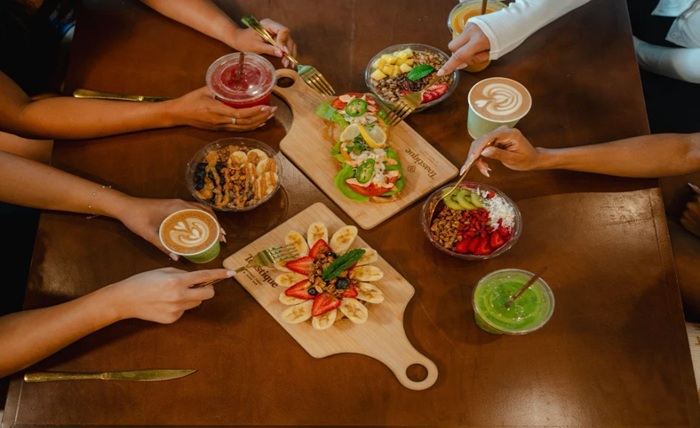
For many people, comfort food is more than just a meal—it’s an experience. Whether it’s a hearty breakfast enjoyed at a favorite café, a warm bowl of pasta shared with friends, or a freshly baked treat paired with coffee, comfort foods often create moments of connection and enjoyment. While these dishes are sometimes viewed as obstacles to healthy living, the truth is that they can absolutely fit into a balanced lifestyle.
A sustainable approach to wellness doesn’t require eliminating favorite foods. Instead, it focuses on mindful choices, moderation, and consistent physical activity. By combining enjoyable meals with healthy habits, it’s possible to support fitness goals while still appreciating the foods that bring comfort and satisfaction.
Why Comfort Food Matters
Comfort food has earned its name for a reason. These meals often carry emotional significance, reminding us of family traditions, celebrations, or relaxing moments spent with loved ones. Food is deeply connected to culture, community, and personal experiences.
When people try restrictive diets that eliminate all indulgent foods, they often find the approach difficult to maintain long term. Constant deprivation can lead to frustration and make healthy living feel like a chore rather than a lifestyle.
Allowing room for favorite café-inspired dishes can help create a healthier relationship with food. Instead of viewing meals as either “good” or “bad,” a balanced approach encourages people to focus on overall eating patterns while still enjoying occasional indulgences.
Making Comfort Foods a Little Lighter
One of the easiest ways to support wellness goals is by making simple modifications to favorite recipes. Small adjustments can improve nutritional value without sacrificing flavor.
Add More Vegetables
Many comfort food dishes can benefit from extra vegetables. Pasta sauces can include mushrooms, spinach, zucchini, or peppers. Sandwiches can be loaded with fresh greens and tomatoes. Even casseroles become more filling and nutrient-dense when vegetables are added.
These additions provide fiber, vitamins, and minerals while helping meals feel more satisfying.
Choose Leaner Protein Sources
Protein helps support muscle maintenance, recovery, and satiety. Swapping higher-fat meats for leaner options such as chicken breast, turkey, lean beef, or fish can reduce calories while still delivering plenty of flavor.
For vegetarian diners, beans, lentils, tofu, and other plant-based proteins can create hearty and satisfying meals.
Upgrade Side Dishes
Many café meals come with fries, chips, or other fried sides. While there’s nothing wrong with enjoying these occasionally, choosing alternatives such as roasted vegetables, salads, fruit, or whole grains more often can help create a better nutritional balance.
Focus on Portion Awareness
You don’t always need to change the recipe itself. Sometimes simply adjusting portion sizes can make a significant difference. Enjoying a moderate serving of a rich favorite alongside vegetables or a lighter side can provide satisfaction without overindulgence.
Mindful Dining Habits That Support Wellness
Healthy eating isn’t just about what’s on the plate. How we eat can also influence our overall well-being.
Slow Down and Enjoy the Experience
Many people rush through meals while working, scrolling on their phones, or multitasking. Slowing down allows you to better appreciate flavors, textures, and aromas.
Eating mindfully can also help you recognize fullness signals before overeating occurs.
Balance Meals Throughout the Day
Skipping meals often leads to excessive hunger later on, making it harder to make intentional food choices. Regular meals that include protein, healthy fats, and fiber can help maintain energy levels and reduce cravings.
Stay Hydrated
Hydration plays an important role in overall health, exercise performance, and appetite regulation. Carrying a water bottle throughout the day can make it easier to stay hydrated, especially when enjoying salty restaurant-style meals.
Exercise Complements Enjoyable Eating
One common misconception is that exercise exists solely to “burn off” food. In reality, physical activity offers benefits that go far beyond calorie expenditure.
Regular movement supports cardiovascular health, strengthens muscles and bones, improves mood, and helps manage stress. When combined with balanced eating habits, exercise becomes a valuable tool for overall wellness rather than a form of punishment.
The goal isn’t to earn food through exercise but to create healthy habits that support a vibrant and active lifestyle.
Simple Fitness Routines for Busy Schedules
Many people assume they need long gym sessions to see results. However, consistency often matters more than duration.
Daily Walking
Walking remains one of the most accessible forms of exercise. A brisk 20- to 30-minute walk can improve cardiovascular fitness, support recovery, and boost daily activity levels.
Strength Training
Strength training helps build muscle, improve functional fitness, and support metabolism. Even a few sessions per week can provide meaningful benefits.
Along with prioritizing protein-rich meals, regular strength training can help support an active lifestyle. If you’re looking for an easy place to start, check out this dumbbell workout plan pdf for a simple routine that can be done at home with minimal equipment.
Mobility and Stretching
Mobility exercises can improve flexibility, posture, and overall movement quality. A few minutes of stretching after workouts or during work breaks can help reduce stiffness and support long-term fitness.
Active Social Activities
Exercise doesn’t always have to happen in a gym. Hiking, cycling, recreational sports, dancing, and outdoor adventures can all contribute to an active lifestyle while making movement enjoyable.
Finding Balance Between Food and Fitness
The healthiest routines are often the ones that feel realistic and enjoyable. Rather than chasing perfection, many successful individuals focus on consistency.
This might mean enjoying a favorite café brunch on the weekend while preparing balanced meals during the week. It could involve indulging in a rich dessert occasionally while maintaining a regular workout schedule.
Wellness isn’t determined by a single meal or a single workout. Instead, it’s shaped by the habits practiced repeatedly over time.
By focusing on long-term patterns rather than short-term perfection, people can create routines that support both physical health and overall happiness.
Building Sustainable Habits
Sustainable wellness habits are often surprisingly simple:
- Eat a variety of foods you enjoy.
- Include protein, fruits, vegetables, and whole grains regularly.
- Stay active most days of the week.
- Prioritize sleep and recovery.
- Practice moderation rather than restriction.
- Make room for social meals and special occasions.
These habits create a foundation that supports both health and quality of life.
A More Enjoyable Path Forward
A balanced lifestyle doesn’t require choosing between comfort food and fitness. The café meals that bring people together can coexist with healthy habits, regular movement, and long-term wellness goals.
Instead of viewing food and exercise as opposing forces, consider them complementary parts of a fulfilling life. Great meals can provide enjoyment, connection, and comfort, while consistent physical activity supports strength, energy, and resilience.
When approached with flexibility and intention, both can work together to create a lifestyle that feels nourishing, sustainable, and genuinely enjoyable for years to come.