You drink a coffee. You feel great. Then a few hours later, you wonder why you still can’t sleep. That’s caffeine still doing its thing inside you. You drink a cup of coffee in the morning. But why do you still feel awake at night? That’s caffeine doing its job, maybe a little too well.
So how long does caffeine last? Let’s break it down in plain terms.
What Caffeine Actually Does to You
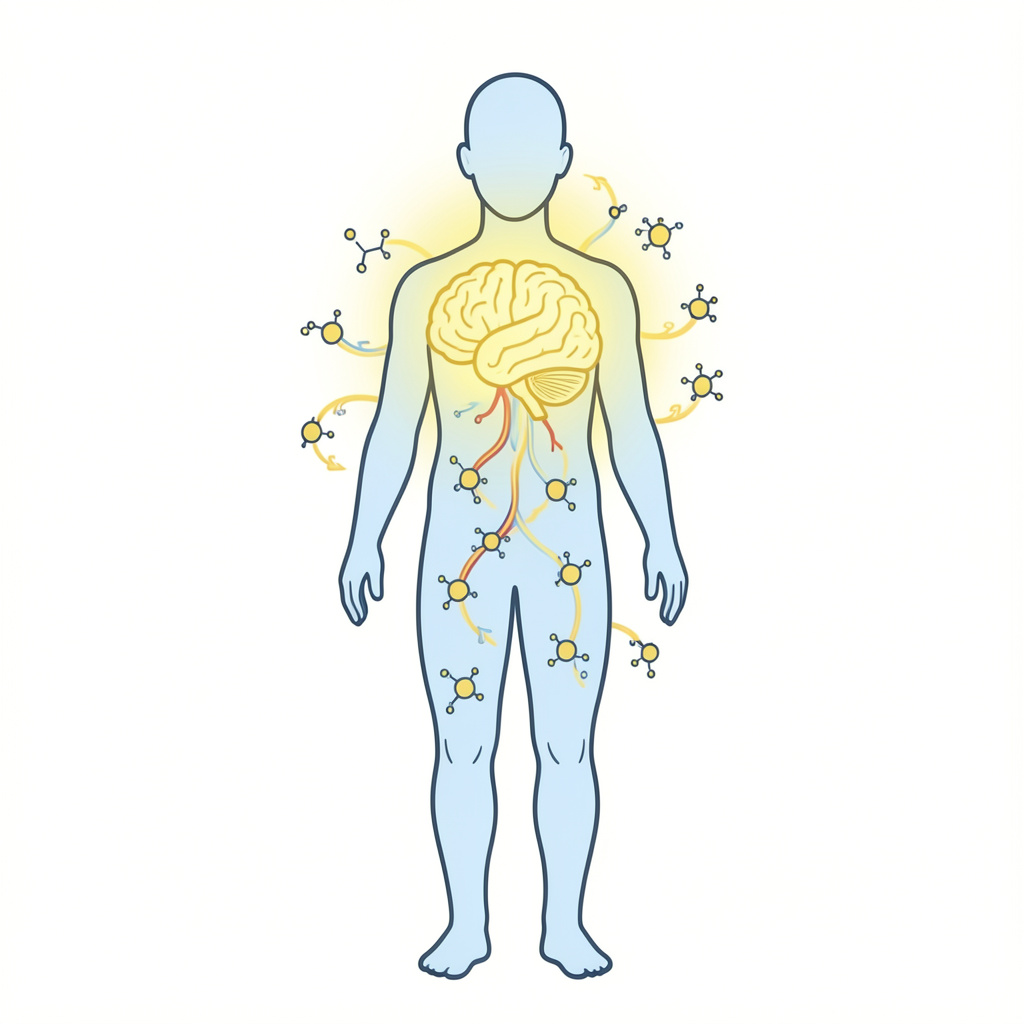
Caffeine blocks a chemical in your brain called adenosine. That chemical makes you feel sleepy. When caffeine blocks it, you feel more awake and alert.
It kicks in fast. Most people feel it within 15 to 45 minutes of drinking it.
How Long Does Caffeine Last in Your System?
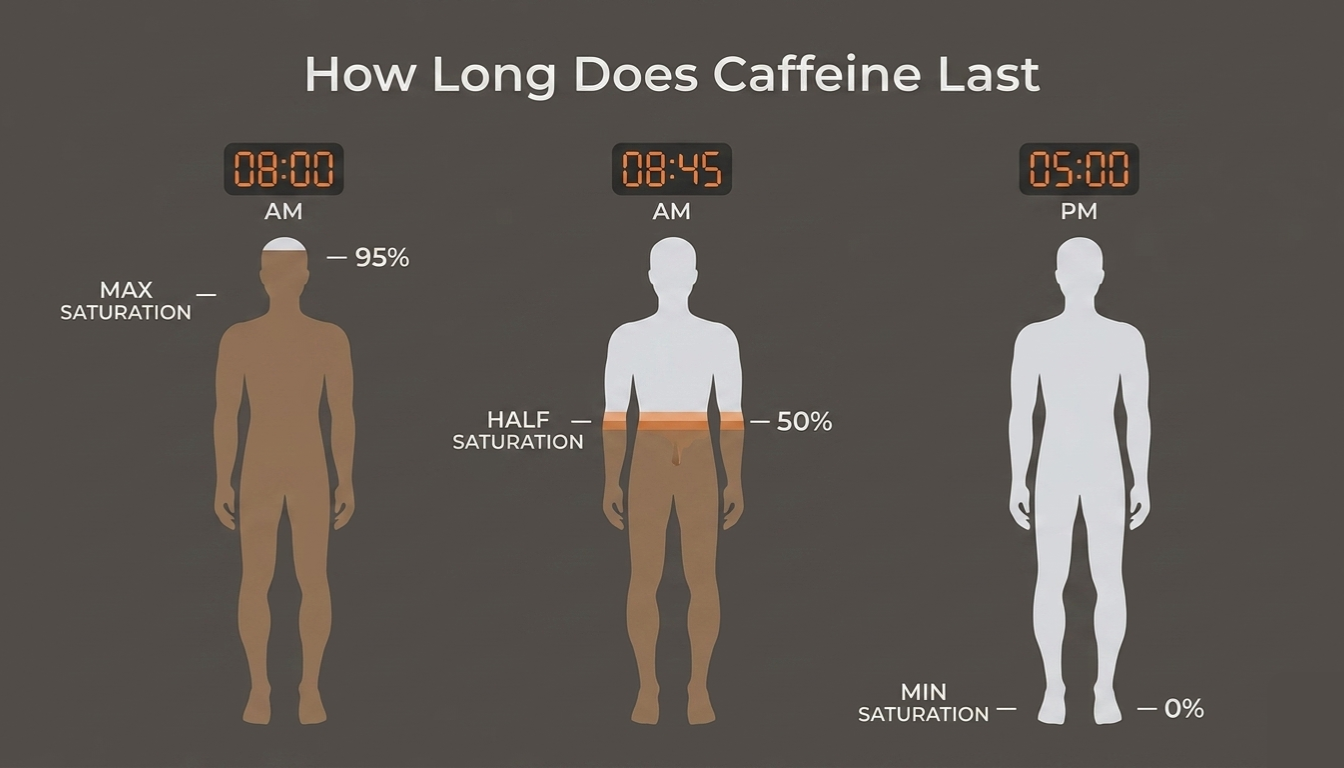
Here’s the short answer. Caffeine has a half-life of about 5 to 6 hours. That means if you drink 200mg of caffeine at noon, around 100mg is still in your body at 5 or 6 PM.
By midnight, you still have about 50mg left.
That’s not nothing. That’s still enough to mess with your sleep.
How Long Does Caffeine Last? The Full Timeline
Here’s a rough idea of how it moves through your body:
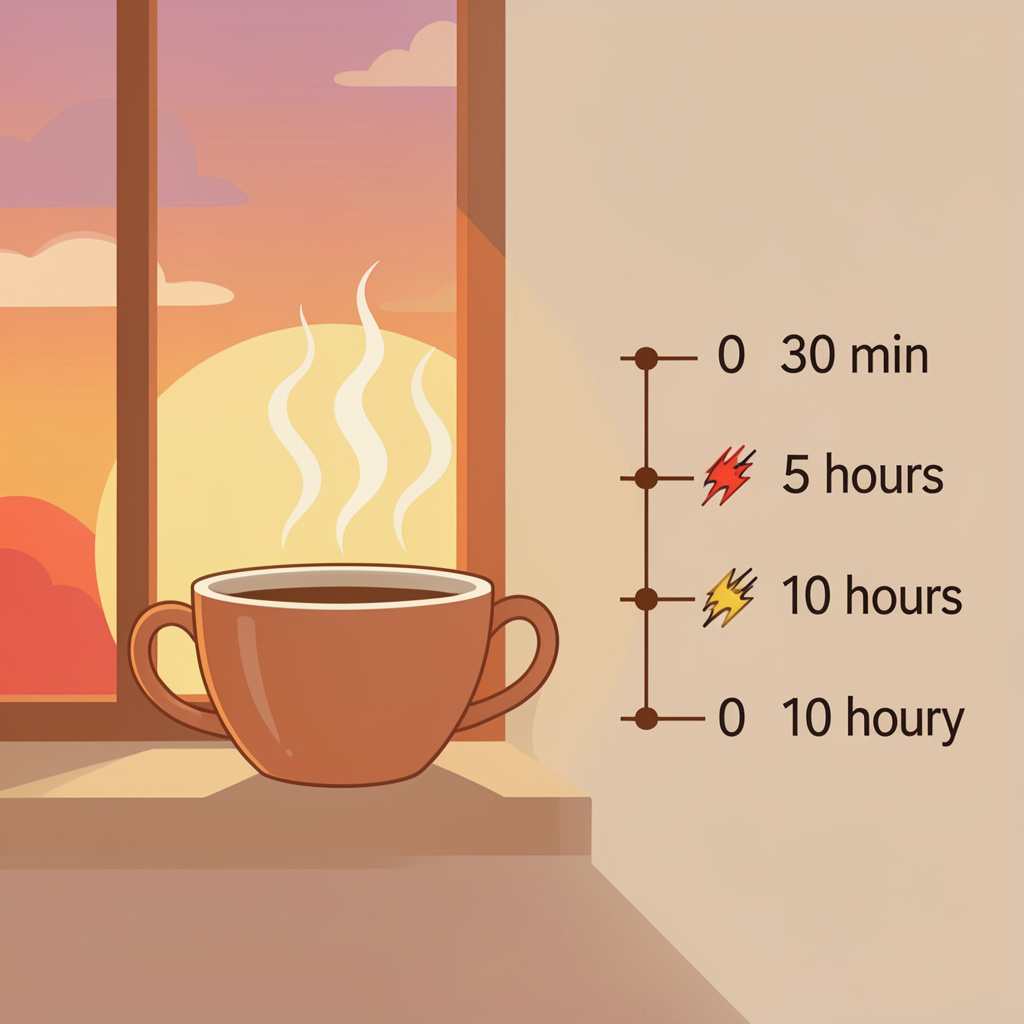
- 0 to 45 minutes: Caffeine gets absorbed. You start feeling it.
- 1 to 2 hours: You hit peak energy. This is the sweet spot.
- 5 to 6 hours: Half the caffeine is gone from your body.
- 10 to 12 hours: Most of it is cleared out.
- 24 hours: Almost all gone for most healthy adults.
So the full ride from one cup of coffee can last way longer than people think.
Why It Hits Some People Harder
Not everyone processes caffeine the same way. Some people burn through it fast. Others hold onto it for much longer.
Things that change how long caffeine lasts:
Your age. Older adults clear caffeine slower than younger people.
Your liver. The liver breaks down caffeine. If your liver is busy with other stuff, like certain medications, caffeine sticks around longer.
Pregnancy. Pregnant women process caffeine much more slowly. It can take twice as long to leave the body.
Genetics. Some people are just naturally slow caffeine metabolizers. They feel jittery after one cup. Others can drink three cups and feel fine.
Smoking. Smokers actually process caffeine faster than non-smokers.
How Long Does Caffeine Last From Different Sources?
It’s not just coffee. Caffeine shows up in lots of things.
| Source | Caffeine Amount |
|---|---|
| Drip coffee (8 oz) | 95 to 200mg |
| Espresso (1 shot) | 63mg |
| Black tea (8 oz) | 40 to 70mg |
| Green tea (8 oz) | 20 to 45mg |
| Energy drink (8 oz) | 70 to 150mg |
| Soda (12 oz) | 30 to 50mg |
| Dark chocolate (1 oz) | 12 to 25mg |
More caffeine means it takes longer to clear your system. Simple as that.
How Long Does Caffeine Keep You Awake?
Most people feel the energy boost for 3 to 5 hours. But the caffeine in your blood stays longer than that feeling does.
This is the sneaky part. You might not feel wired anymore. But caffeine is still blocking adenosine in the background. So when you try to sleep, you can’t fall asleep as easily. Or you wake up feeling less rested than usual.
Experts often say cut off caffeine 6 hours before bed. Some sleep researchers say 8 to 10 hours to be safe.
So if you go to bed at 10 PM, your last coffee should probably be around 2 PM at the latest.
Signs Caffeine Is Still in Your System
Your body gives you clues. Watch for these:
- Trouble falling asleep
- Feeling restless or anxious
- Heart beating a little faster than normal
- Needing to pee more often
- Light headache when it wears off
These are all signs caffeine hasn’t fully left yet.
How to Get Caffeine Out of Your System Faster
You can’t really speed it up a lot. Your liver works at its own pace. But a few things help a little.
- Drink water. Staying hydrated helps your body process things more efficiently.
- Move around. Light exercise can help your body metabolize caffeine a bit faster.
- Wait it out. Honestly, this is the most honest answer. Time is the main thing.
What doesn’t work: eating a big meal, drinking more water rapidly, or trying to sweat it out. Those don’t really change how fast caffeine breaks down.
Caffeine Withdrawal Is Real
If you drink caffeine every day and then stop suddenly, your body notices. Adenosine floods back in fast. You can get headaches, feel foggy, get tired, or feel irritable.
This usually starts 12 to 24 hours after your last caffeine hit. It peaks around 20 to 51 hours. Then it fades over a few days.
If you want to cut back, do it slowly. Drop your intake by about 10% every week. That gives your brain time to adjust.
Kids and Caffeine: It Lasts Longer
Kids process caffeine slower than adults. So how long caffeine lasts in a child is longer than most parents realize.
A small soda or iced tea can keep a kid feeling restless for most of the day. Pediatricians generally say kids under 12 should avoid caffeine. Teens should keep it under 100mg a day.
The Bottom Line
How long does caffeine last? For most adults, the effects stick around 4 to 6 hours. But the caffeine itself stays in your system for 10 hours or more.
If sleep matters to you, treat caffeine like a tool with a long tail. Use it early. Give your body plenty of time before bed.
One cup in the morning is usually fine. A second coffee at 4 PM might cost you two hours of sleep that night.
Know your body. Pay attention to how you feel. That’s the best caffeine advice there is.
Frequently Asked Questions
How long does caffeine last in your body?
Caffeine stays in your body for about 5 to 6 hours on average. But full clearance can take up to 10 hours depending on your body and lifestyle.
Does caffeine affect sleep?
Yes it does. If you drink coffee in the afternoon, caffeine can still be active when you try to sleep at night. That makes it harder to fall asleep and stay asleep.
Why does caffeine affect some people more than others?
Everyone processes caffeine differently. Age, genes, medications, and even pregnancy can slow down how fast your body breaks caffeine down. Some people are just more sensitive to it.
What drinks have the most caffeine?
Energy drinks usually have the most caffeine, sometimes up to 300 mg per can. Coffee comes next, then tea and soda. Even chocolate has a small amount of caffeine in it.
What is the best time to stop drinking caffeine?
Most experts say stop at least 6 hours before bed. If you are sensitive to caffeine, try stopping 8 hours before. So if you sleep at 11 PM, your last cup should be around 3 to 5 PM.