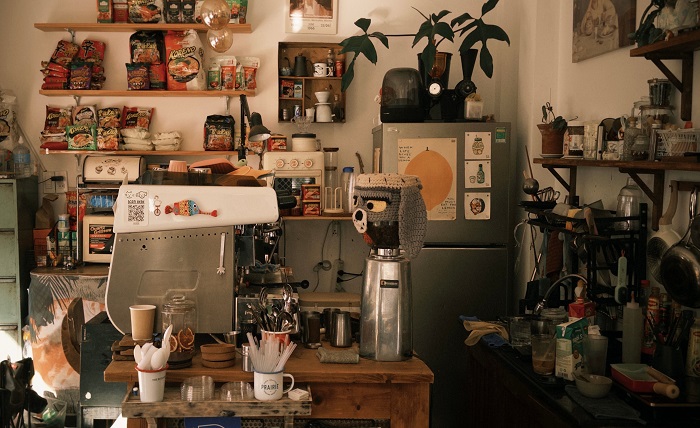
A faster espresso rush starts with fewer interruptions, not faster hands. When one barista keeps leaving the machine for cups, milk, or order questions, even a short queue can turn into a long wait.
Small cafes rarely have unlimited counter space or enough staff to give every task its own person. A better approach is to remove avoidable steps, match equipment to demand, and give everyone a clear role before the first rush arrives.
Assign Clear Roles
Decide who takes payments, who handles espresso, and who finishes drinks before service gets busy. In a two-person cafe, one person might manage orders and handoffs while the other handles drink production.
According to reporting by Fresh Cup, busy cafes use defined stations and preparation routines to keep service organized. For a smaller team, the useful lesson is simple: divide responsibilities clearly, even when people share tasks.
Agree on a short callout for help, too. “Milk restock, please” tells a teammate exactly what is needed without pulling the espresso barista into a longer conversation.
Choose Commercial Coffee Grinders
The equipment you use can make a huge difference to how quickly you can get orders moving. One of the most important pieces of kit to select is the coffee grinder.
Compare on-demand commercial coffee grinders that are suitable for espresso.
A commercial coffee grinder differs from one used at home in various ways. Most notably: commercial burrs are larger, and a bigger burr does the same job in fewer turns, so it grinds faster.
Before narrowing the shortlist regarding which grinder to select, you should know whether:
- Your staff will be able to dose consistently without awkward extra steps
- The hopper and controls fit comfortably beneath existing shelves
- Your team will be able to confidently clean and adjust the grinder
A faster grinder will not solve a confusing workflow by itself, though. Choose equipment that your team can operate consistently. Then practice using it before a busy shift.
Arrange the Bar Around the Drink Sequence
Walk through one espresso drink from order to handoff and notice every reach, turn, and sideways step. Put frequently used tools where that sequence needs them, rather than wherever counter space happens to be available.
Keep the grinder, tamping area, machine, and knock box close enough for a compact working pattern. Position cups and lids within easy reach without blocking cleaning access or crowding the drink handoff.
Test the layout with two people working together. A setup that feels comfortable alone may create collisions when someone opens the refrigerator or collects finished drinks.
Stock the Station Before the Rush
Build a short opening routine around the supplies that interrupt service most often. Check milk, beans, cups, lids, towels, and takeaway accessories before the expected peak, then give each item a consistent home.
Prepare sensible backup quantities without filling every available surface. An overcrowded counter makes tools harder to find and leaves less space for making drinks.
Assign restocking to a specific person whenever staffing allows. Otherwise, both employees may assume the other has checked the milk fridge until neither can finish the next order.
Keep backup stock accessible from outside the espresso workspace where possible. Someone replenishing cups should not need to squeeze between the grinder and the person pulling shots.
Make Orders Easy to Read and Follow
Use one clear system for recording size, milk choice, temperature requests, and other modifications. Whether orders appear on tickets, screens, or cups, staff should not have to translate several different shorthand styles.
Keep order information visible until the drink reaches the customer. Calling out a complicated order once and expecting everyone to remember it creates unnecessary opportunities for mistakes.
Agree on how to handle exceptions, including remakes and customers adding items after payment. A quick, consistent decision keeps an unusual request from disrupting every drink behind it.
For drinks with several components, make the preparation sequence familiar through practice. Save new recipes and workflow experiments for quieter periods, when staff can ask questions without a growing queue.
Check Quality Without Losing the Rhythm
Set the espresso recipe and check the grinder before the main rush begins. Give staff a clear response when shots stop meeting the cafe’s usual standards, rather than leaving them to guess under pressure.
Build quick cleaning tasks into the normal drink sequence. Wiping the steam wand promptly and keeping the work area clear prevents small messes from becoming bigger interruptions.
After the rush, ask where service slowed down. Pick one recurring problem to fix before the next shift instead of changing the entire workflow at once.
Building a Routine Your Team Can Repeat
Keeping espresso moving depends on clear roles, prepared stations, readable orders, and equipment that fits the workload. Choosing commercial coffee grinders is one part of that system, not a substitute for organizing the work around them.
Was this article helpful? In that case, take a moment to explore some of our related posts.