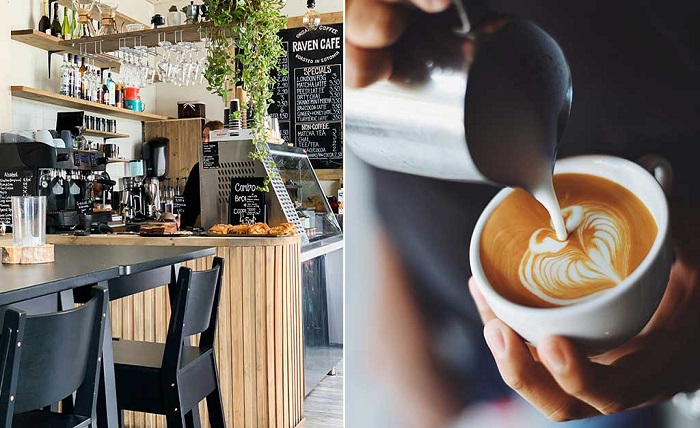
Starting and running a successful cafe requires more than excellent coffee and a welcoming atmosphere. Behind every efficient cafe operation is a reliable system for storing ingredients, preparing food, and maintaining product quality. Among all essential cafe equipment, a commercial refrigerator plays a critical role in daily operations. It keeps milk, desserts, beverages, fresh ingredients, and ready-to-eat foods at safe temperatures while helping cafe owners reduce waste and improve efficiency.
As cafes continue to expand their menus with cold drinks, pastries, sandwiches, and fresh food options, choosing the right commercial fridge becomes an important business decision. The right refrigeration equipment can improve workflow, protect inventory, and create a better experience for both employees and customers.
Why Commercial Refrigerators Are Essential for Cafes
A cafe depends heavily on refrigeration because many of its most popular products require precise temperature control. Milk, cream, fresh fruit, cakes, sandwiches, and bottled beverages all need proper storage to maintain freshness and quality. Unlike residential refrigerators, commercial models are designed for constant use, frequent door openings, and larger storage demands.
During busy cafe hours, employees may open refrigerator doors hundreds of times while preparing drinks and serving customers. A high-quality commercial refrigerator is built to recover temperature quickly and maintain stable cooling performance, helping prevent ingredient spoilage and ensuring food safety.
Reliable refrigeration also helps cafe owners manage inventory more effectively. When ingredients are stored properly, businesses can extend shelf life, reduce unnecessary waste, and lower operating costs.
Choosing the Right Type of Commercial Refrigerator for a Cafe
Different cafes have different storage requirements depending on their menu, space, and customer volume. A small coffee shop may need compact refrigeration near the espresso station, while a larger cafe with a full food menu may require multiple commercial refrigerator units.
Glass door refrigerators are a popular choice for cafes because they provide both storage and product display. These units allow customers to easily see beverages, desserts, and ready-to-eat items, which can encourage impulse purchases. A well-organized display refrigerator also creates a professional appearance and helps employees quickly locate products during busy periods.
Commercial reach-in refrigerators are another common option for cafes that need larger ingredient storage. They provide plenty of interior space for milk containers, food preparation ingredients, bakery products, and other supplies. The vertical design of a commercial reach-in refrigerator makes efficient use of space while allowing staff to access items quickly.
For cafes with limited kitchen space, undercounter refrigerators offer a practical solution. These compact units can be installed beneath preparation counters, making frequently used ingredients easily accessible. They are especially useful for storing milk, cream, toppings, and other items needed near coffee-making stations.
How Commercial Refrigerators Improve Cafe Efficiency
A well-designed refrigeration system can significantly improve daily cafe operations. When ingredients are organized and easily accessible, employees spend less time searching for supplies and more time serving customers.
For example, a glass door beverage refrigerator placed near the customer area allows staff to quickly grab bottled drinks without opening large storage units. Similarly, an undercounter refrigerator near the coffee machine keeps milk and cream within reach, creating a smoother workflow for baristas.
Better organization also helps reduce mistakes. Employees can monitor inventory levels more easily, identify products that need to be used first, and maintain a cleaner preparation environment.
Important Features to Consider When Buying a Cafe Refrigerator
When selecting a commercial refrigerator for a cafe, business owners should consider several important features. Temperature stability is one of the most important factors because dairy products, desserts, and fresh foods require consistent cooling conditions.
A good commercial fridge should include efficient cooling technology, reliable temperature controls, and strong insulation to maintain performance throughout the day. Digital temperature displays can also help employees monitor conditions and quickly identify potential problems.
Storage capacity is another key consideration. Cafe owners should evaluate their daily ingredient requirements, menu variety, and future growth plans before choosing a refrigerator size. A unit that is too small can create overcrowding, while an oversized refrigerator may consume unnecessary energy and take up valuable space.
Durability is also essential because commercial refrigerators experience much heavier use than residential models. Stainless steel construction, strong shelving, durable door hinges, and easy-to-clean surfaces can help extend equipment life and reduce maintenance costs.
The Role of Energy Efficiency in Cafe Operations
Energy costs are a major expense for many cafes, especially because refrigerators operate continuously throughout the day. Choosing an energy-efficient commercial refrigerator can help reduce electricity bills while maintaining reliable cooling performance.
Features such as LED interior lighting, efficient compressors, improved door seals, and advanced insulation can contribute to lower energy consumption. Over time, an energy-efficient refrigerator can provide significant savings and improve the overall profitability of a cafe.
For businesses focused on long-term growth, investing in efficient equipment is not only an environmental choice but also a smart financial decision.
Maintaining a Commercial Refrigerator for Long-Term Performance
Regular maintenance is essential to keep a commercial refrigerator working efficiently. Cafe owners and employees should clean condenser coils regularly because dust buildup can reduce cooling performance and increase energy usage.
Door seals should also be inspected frequently. Damaged or worn gaskets can allow cold air to escape, causing the refrigerator to work harder and increasing operating costs.
Keeping the interior organized is another important maintenance practice. Overloading shelves can block airflow and create uneven temperatures. Proper organization allows cold air to circulate effectively and helps employees manage inventory more efficiently.
Daily temperature checks are also recommended. Monitoring refrigerator performance helps identify issues early and prevents unexpected equipment failures that could damage inventory.
How the Right Refrigerator Helps Cafe Growth
As cafes grow, many businesses expand their menus with additional products such as cold brew coffee, smoothies, sandwiches, salads, and desserts. A reliable commercial refrigerator provides the storage flexibility needed to support this growth.
The right refrigeration system allows cafes to increase product variety while maintaining quality standards. It also helps businesses create attractive displays that encourage customers to purchase more items.
For cafes competing in a crowded market, product freshness and presentation can make a significant difference. A well-maintained commercial refrigerator supports both operational efficiency and customer satisfaction.
Final Thoughts
A commercial refrigerator is one of the most important investments for any cafe business. It protects valuable ingredients, improves employee workflow, reduces food waste, and helps maintain consistent product quality.
Whether a cafe needs a glass door display refrigerator, a reach-in storage unit, or a compact undercounter fridge, selecting the right equipment can have a direct impact on daily operations and long-term success. By choosing reliable refrigeration and maintaining it properly, cafe owners can create a more efficient business while delivering fresh, high-quality products to their customers.