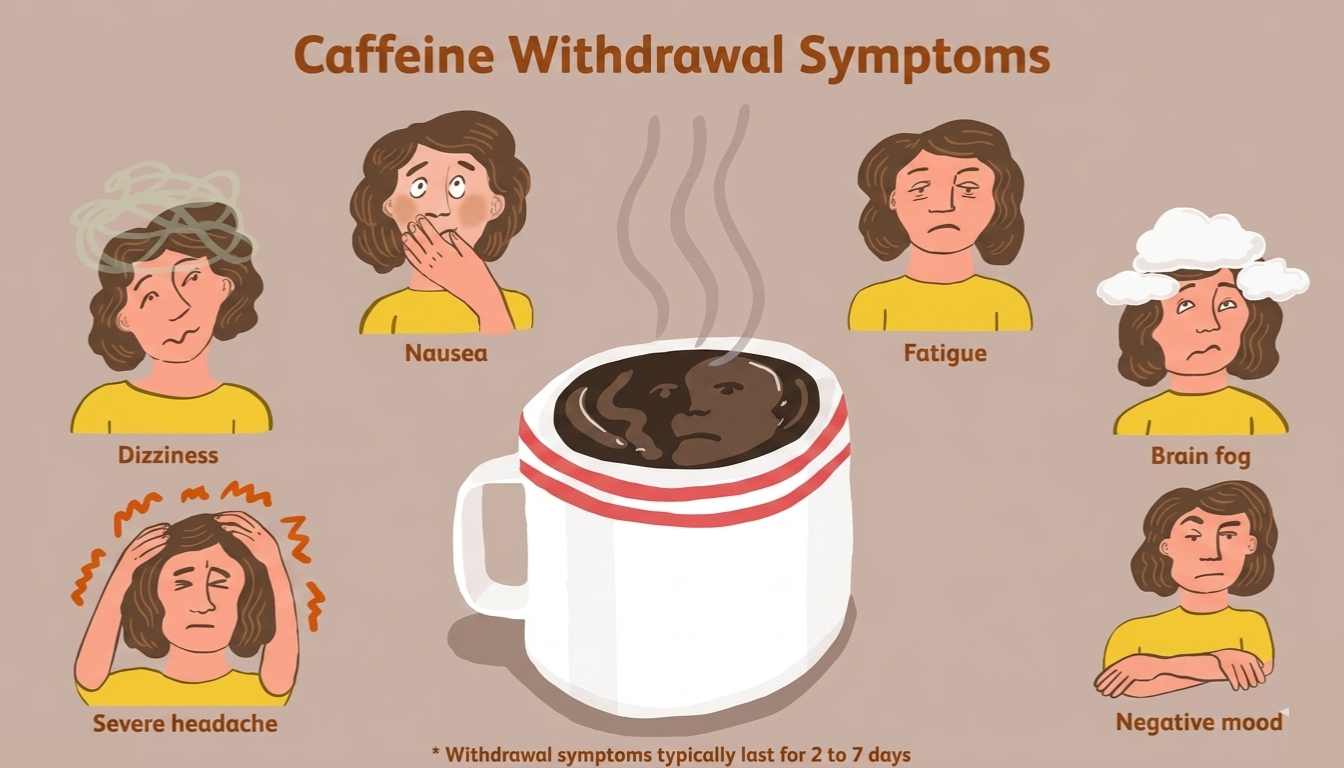
So you decided to quit coffee. Or maybe you just skipped your morning cup by accident. Either way, your body noticed. And now you feel awful. That feeling has a name. It is called caffeine withdrawal symptoms. And trust me, it is very real. Doctors recognize it. Scientists study it. Millions of people go through it every year.
Let me walk you through what actually happens, why it happens, and what you can do about it.
Why Does Your Body Even React Like This?
Caffeine is a drug. A legal one. A tasty one. But still a drug.
When you drink coffee, tea, or energy drinks every day, your brain gets used to it. Caffeine blocks a chemical in your brain called adenosine. Adenosine makes you feel sleepy. So when caffeine blocks it, you feel awake and sharp.But here is the thing. Your brain is smart. It starts making more adenosine receptors over time. It adapts to the caffeine. Now your brain needs caffeine just to feel normal.
So when you stop? All that extra adenosine floods in at once. Your brain is not ready. And that is when caffeine withdrawal symptoms hit you hard.
The Most Common Caffeine Withdrawal Symptoms
1. Headache
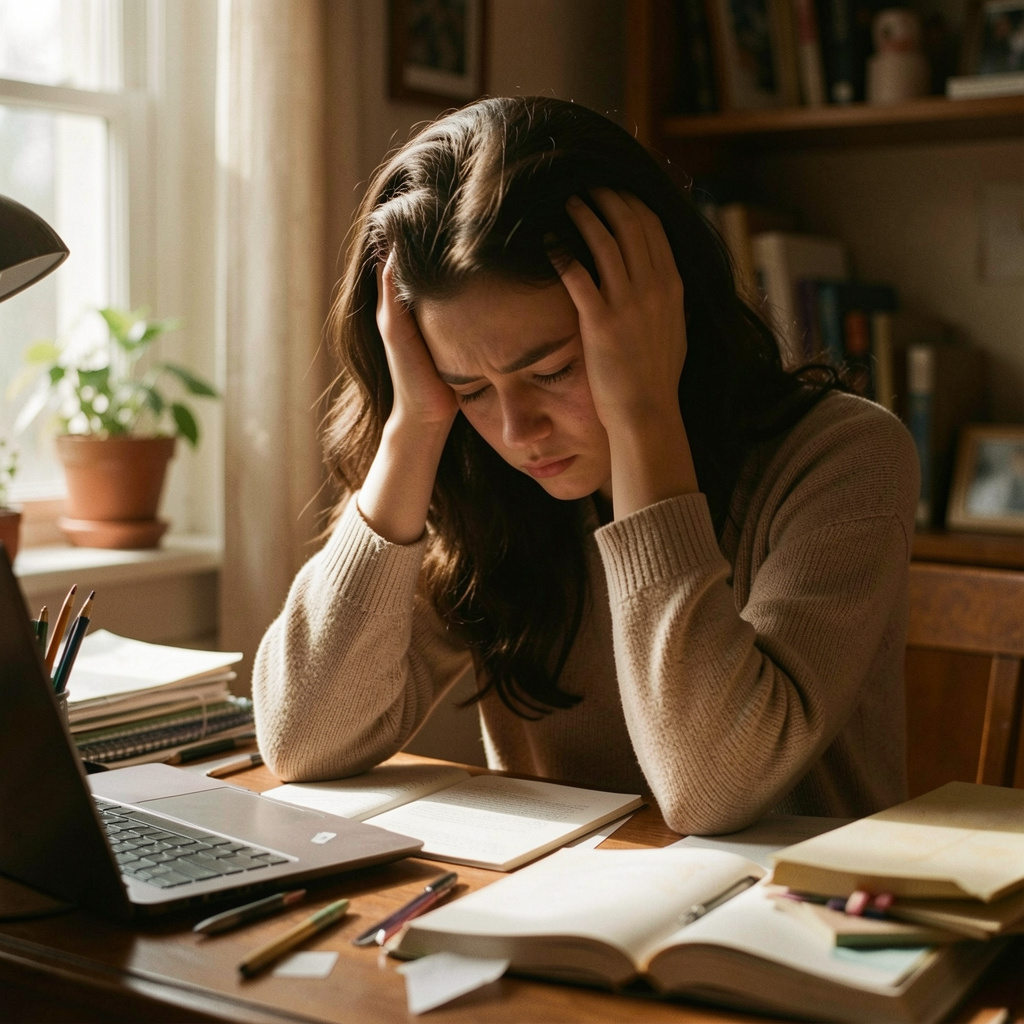
This is the big one. Almost everyone gets it.When you stop caffeine, your blood vessels in the brain widen. More blood flows through. That pressure change causes a throbbing headache. It usually starts behind your eyes or at the front of your head.
It can feel like a tension headache. Or even a mild migraine. For some people it is barely noticeable. For others it stops them from working.The headache from caffeine withdrawal symptoms usually shows up within 12 to 24 hours after your last cup.
2. Tiredness and Low Energy
You feel like a phone on 2% battery.Your body relied on caffeine to feel alert. Now that caffeine is gone, tiredness takes over fast. You might want to sleep even if you slept well the night before.Simple tasks feel hard. Getting up from your chair feels like work. This is one of the most frustrating caffeine withdrawal symptoms because it sneaks up on you slowly.
3. Bad Mood and Irritability
You snap at people. Little things bother you. You feel grumpy for no clear reason.Caffeine boosts dopamine a little bit. Dopamine is the brain chemical that makes you feel happy and motivated. When caffeine leaves your system, dopamine drops too. So your mood drops with it.
Friends and family might notice your mood change before you do. That is pretty common with caffeine withdrawal symptoms.
4. Trouble Focusing
Your brain feels foggy. Words do not come easily. You re-read the same paragraph three times.This brain fog is real. Caffeine sharpens your focus by blocking adenosine. Without it, your thinking slows down. Decision making feels harder. Even conversations take more effort.
Students and workers often struggle the most with this caffeine withdrawal symptom during the work week.
5. Nausea
Some people feel sick to their stomach. Not everyone gets this one, but it happens.The nausea can come from changes in blood flow and gut movement. Caffeine affects your digestion too. When you remove it, your gut reacts. You might not want to eat much. Some people even feel the urge to vomit.
If you already have a sensitive stomach, this symptom hits harder.
6. Muscle Pain and Stiffness
Your muscles might ache. Your neck feels tight. Your shoulders feel heavy.This happens because caffeine has a mild pain-blocking effect. It reduces inflammation slightly. When that effect goes away, your body feels normal aches more strongly than before.
Caffeine withdrawal symptoms like muscle pain are easy to confuse with the flu or a cold.
7. Anxiety and Restlessness
This one surprises people. You might expect to feel calm without caffeine. But some people actually feel more anxious.
This happens because your nervous system is adjusting. It got used to running on caffeine. Now it does not know what to do with itself. You might feel jittery, nervous, or on edge even without drinking anything.
When Do Caffeine Withdrawal Symptoms Start?
This depends on how much caffeine you usually drink.Most people start feeling caffeine withdrawal symptoms within 12 to 24 hours after their last drink. The worst of it usually hits between 20 and 51 hours in.
For heavy coffee drinkers, the symptoms come on faster and feel stronger. For light drinkers, the whole thing might be mild and short.
How Long Does It Last?
Here is some good news. It does not last forever.
Most caffeine withdrawal symptoms go away within 2 to 9 days. For most people, the worst part is over by day 3 or 4. Heavy users might feel off for up to 2 weeks. But even that passes. Your brain adapts. It finds its new normal without caffeine.
How Much Caffeine Does It Take to Get Addicted?
Not that much, actually. Studies show that drinking as little as 100 milligrams of caffeine per day can lead to dependence. That is about one small cup of coffee. Or two cups of tea. Or one energy drink. The more you drink, the stronger the dependence. And the stronger the caffeine withdrawal symptoms when you stop.
Who Gets It Worse?
Not everyone reacts the same way. Some people barely notice it. Others have a really rough few days.You tend to get stronger caffeine withdrawal symptoms if you drink a lot of caffeine daily, drink it at the same time every day, have been drinking it for many years, stop suddenly instead of cutting back slowly, or already deal with headaches or anxiety in general.
Age and body weight also play a role. Genetics matter too. Some people just process caffeine differently.
Tips to Get Through It
You do not have to suffer through this alone. There are smart ways to manage caffeine withdrawal symptoms.
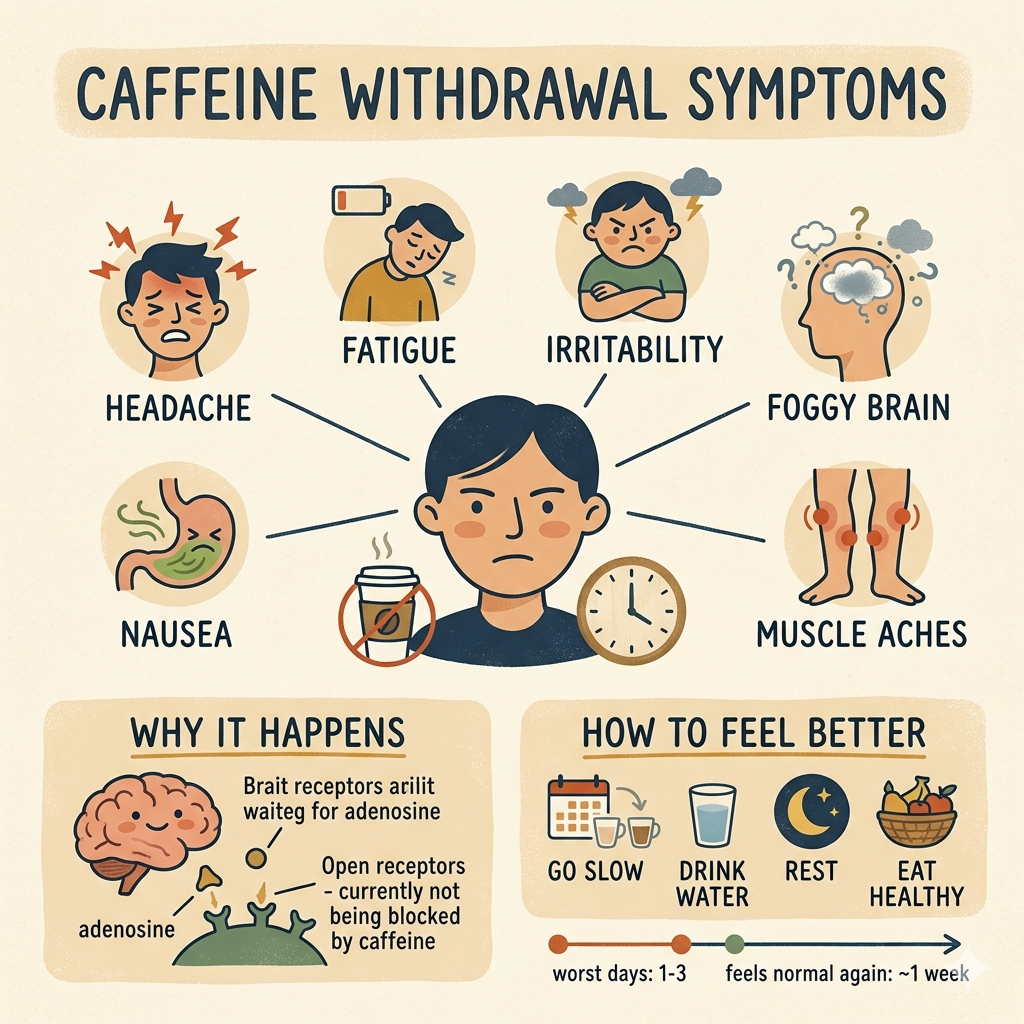
Cut back slowly. This is the best advice. Instead of stopping cold turkey, reduce your intake by about 10% every week. This gives your brain time to adjust without a massive shock. The symptoms will be much milder.
Drink water. Dehydration makes headaches worse. Drink more water than usual during the withdrawal period. It helps flush things out and keeps your head clearer.
Sleep more. Your body needs rest to heal. If you feel tired, let yourself rest. Do not fight it. Sleep is when your brain does most of its adjusting.
Eat well. Do not skip meals. Eating regular meals keeps your blood sugar steady. Low blood sugar makes headaches and mood swings worse. Stick to simple whole foods.
Move your body. Light exercise helps. A short walk can boost your mood naturally. It releases endorphins without needing caffeine. Even 15 minutes helps a lot.
Try pain relievers. If the headache is bad, ibuprofen or acetaminophen can help. Just do not rely on them every day. Use them as a short-term tool.
Tell people around you. Let your family or coworkers know what you are going through. They will understand why you seem a bit off. It reduces pressure and awkward moments.
Should You Quit Caffeine Completely?
That is your choice. And there is no single right answer.
Some people quit because they sleep better without it. Others quit because caffeine makes their anxiety worse. Some have heart conditions or blood pressure issues that make it a good idea. But many people do not need to quit completely. They just need to cut back. Or switch to lower caffeine drinks like green tea. Moderate caffeine use is generally safe for healthy adults. The common guideline is up to 400 milligrams per day. That is about 3 to 4 regular cups of coffee.
If your body handles it well and you sleep fine, you might not need to quit at all.
What If the Symptoms Feel Really Bad?
Most caffeine withdrawal symptoms are uncomfortable but not dangerous. But if your headaches are very severe, or you feel chest pain, or you cannot keep food down for more than a day, see a doctor. It is always better to check.
Also, make sure what you are feeling is actually caffeine withdrawal and not something else. Flu symptoms can look very similar. So can some other conditions. A doctor can help you rule things out and make a plan.
The Honest Truth About Caffeine
Caffeine is everywhere. Coffee shops on every corner. Energy drinks in every gas station. Caffeine in chocolate, sodas, medicines, and even some snacks. It is easy to drink a lot without realizing it. Many people do not even think of themselves as caffeine dependent. But then they miss their morning coffee and suddenly wonder why they feel so terrible by noon. That terrible feeling is caffeine withdrawal symptoms doing their thing.
The good news is that your body is strong. It bounces back. Once you get through the rough patch, most people say they feel better overall. Clearer sleep. Fewer mood swings. Less anxiety. More stable energy through the day instead of peaks and crashes.
Quick Summary
Here is the short version if you want the basics fast.
Caffeine withdrawal symptoms happen when your body stops getting caffeine it got used to. The main symptoms include headache, tiredness, bad mood, foggy thinking, nausea, muscle aches, and anxiety. They usually start within 12 to 24 hours and last about 2 to 9 days. Cutting back slowly is the best way to avoid the worst of it. Drinking water, sleeping well, and eating regularly all help a lot.
You are not weak for feeling awful when you skip your coffee. Your brain is just adjusting. Give it a little time. It will catch up.
FAQ: Caffeine Withdrawal Symptoms
How long do caffeine withdrawal symptoms last?
Most people feel better within 2 to 9 days. The worst part usually hits around day 2 or 3. After that, things slowly get easier. Heavy coffee drinkers might feel off for up to 2 weeks. But it always passes. Your brain adjusts on its own.
What does a caffeine withdrawal headache feel like?
It usually feels like a dull, throbbing pain. Most people feel it at the front of the head or behind the eyes. Some say it feels like a tension headache. Others say it feels closer to a mild migraine. It gets worse when you move around or bend over. Drinking water and taking a basic pain reliever like ibuprofen can help a lot.
Can you get caffeine withdrawal symptoms from tea or soda?
Yes, absolutely. Caffeine withdrawal symptoms are not just about coffee. Tea, soda, energy drinks, and even some medicines have caffeine in them. If you drink any of these every day and then stop suddenly, your body reacts the same way. The amount of caffeine matters more than the source.
Is it better to quit caffeine cold turkey or cut back slowly?
Cutting back slowly is almost always the better choice. When you stop cold turkey, your brain gets a big shock all at once. That brings on stronger symptoms faster. But when you reduce your intake by a small amount each week, your brain has time to adjust. The caffeine withdrawal symptoms are much milder that way. Most people barely notice them.
Can caffeine withdrawal symptoms make you feel like you have the flu?
Yes, and this confuses a lot of people. Muscle aches, headache, tiredness, and nausea are common caffeine withdrawal symptoms. They look a lot like early flu signs. The main difference is that caffeine withdrawal does not cause a fever. If you have a fever, it is probably not caffeine. Think about when you last had coffee. If it has been 12 to 24 hours, withdrawal is likely the reason you feel so rough.